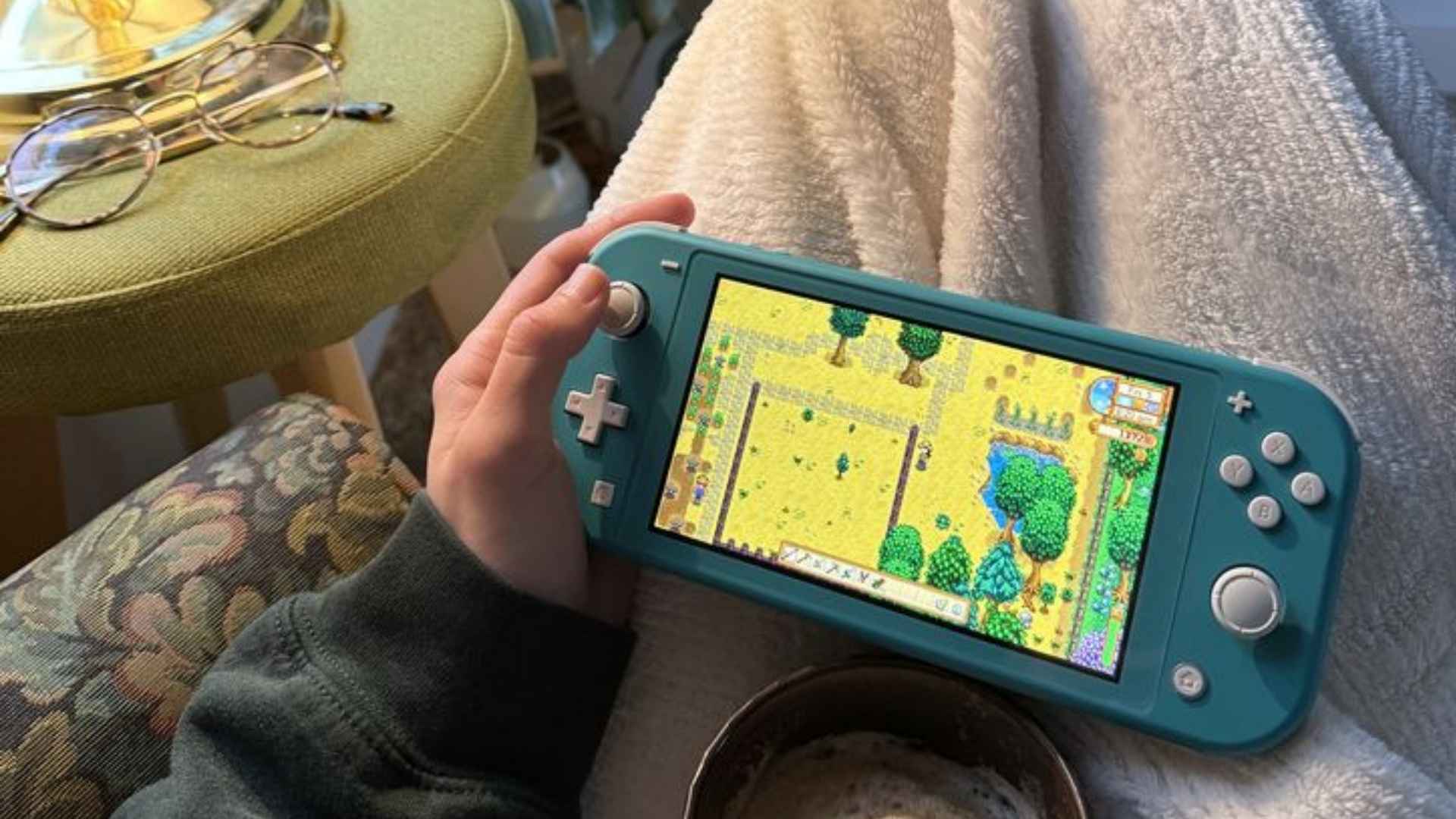
The world of tabletop entertainment is vast, but few genres offer the same intellectual satisfaction as table games with rich tactical gameplay. Unlike games that rely purely on the roll of a die, these experiences challenge players to adapt to shifting scenarios, manage resources carefully, and outmaneuver their opponents through clever positioning. Developing a sharp mind and learning how to weigh risks under pressure are just some of the rewarding aspects of mastering these deep systems.
The Core Elements of Tactical Tabletop Gaming
At the heart of any highly tactical tabletop game is the balance between short-term decision-making and long-term planning. Players must constantly analyze the state of the board, predicting their opponent's next move while working with the resources immediately available to them. This creates a highly engaging dynamic where no two sessions ever play out the exact same way.
Furthermore, these games often limit the impact of random chance, ensuring that the most strategic player generally comes out on top. This design focus gives players a strong sense of agency, making every hard-fought victory feel incredibly satisfying and earned. By minimizing pure luck, tabletop designers can reward players who spend time studying game mechanics and developing unique strategies.
How Turn-Based Decisions Shape the Experience
Turn-based mechanics provide the perfect canvas for tactical thinking because they allow players to step back and fully analyze their options. Instead of relying on fast reflexes, you are encouraged to calculate probabilities, evaluate spatial positioning, and execute multi-step maneuvers. This deliberate pace of play makes the genre highly accessible yet incredibly difficult to master.
For players looking to explore strategic alternatives or find new ways to challenge their minds online, checking out a trusted portal like m88 alternatif can be a great step. Engaging with structured rulesets in a digital environment helps sharpen your critical thinking skills and prepares you for complex tabletop matchups. Whether playing online or in person, the cognitive benefits of these structured challenges are undeniable.
The Psychological Aspect of Outsmarting Your Opponent
Rich tactical gameplay is not just about moving pieces on a board; it is also about reading the player sitting across from you. Psychological warfare, such as feints, bluffs, and baiting, plays a massive role in high-level competitive tabletop matches. Forcing your opponent into making a sub-optimal choice is often just as effective as executing a perfect physical maneuver.
Managing your own emotions and maintaining a calm demeanor under pressure are essential skills for any serious player. When an opponent puts you in a difficult position, the ability to stay focused and find an unexpected escape route is what separates novices from experts. This intense mental chess is exactly what keeps players coming back to tactical table games year after year.
Building Transferable Real-World Cognitive Skills
Engaging regularly with complex tactical systems does more than just provide hours of high-quality entertainment. Studies have shown that solving deep, multi-layered problems on the tabletop can actively improve real-world decision-making and cognitive flexibility. Players learn to assess risks, organize complex information, and adapt to sudden changes in their daily lives.
Ultimately, these tabletop challenges offer a healthy and social workout for the brain in an era dominated by passive screen time. Gathering with friends to tackle a challenging tactical game fosters deep social connections while keeping everyone's mind sharp and active. Investing time in these rewarding hobbies yields lasting benefits that extend far beyond the final turn of the game.